
Over the past decade, home-based care has expanded significantly, with total home visits increasing by 49% since 2015 and the number of clinicians providing home-based care growing by 44%, even as Traditional Medicare enrollment declined.
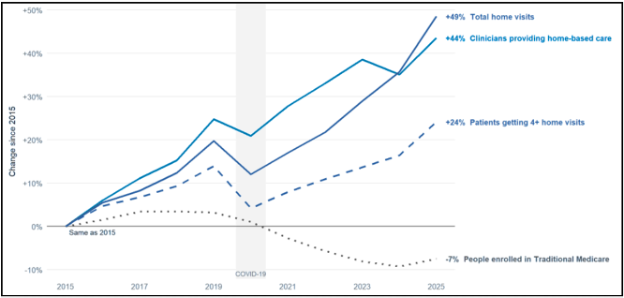
Today, more than half a million Medicare beneficiaries rely on ongoing home-based care to remain safe, independent, and connected to the healthcare services they need. This sustained growth reflects the increasing demand for patient-centered care delivered where individuals are most comfortable: at home.
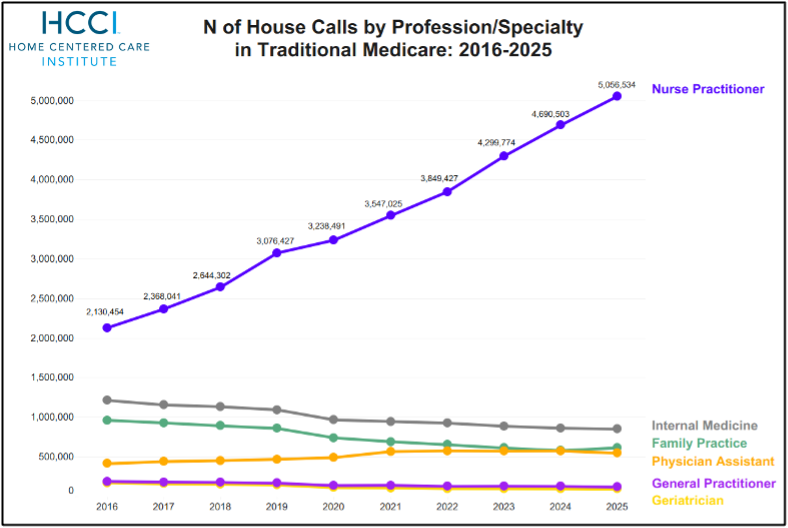
It is noteworthy that annual nurse practitioner house calls more than doubled between 2016 and 2025, increasing from just over 2.1 million visits to more than 5 million. This remarkable trend was recently highlighted during the GAPNA: Engage 2026 preconference workshop, Navigating the Way Ahead: Entrepreneurial Strategies for Advanced Practice Nurses, sponsored by HCCI and featuring members of its House Call Advisor Network. Presenters shared data from HCCI’s Confer Analytics® market intelligence platform demonstrating that nurse practitioners now provide more house calls than any other clinical group in Traditional Medicare. Melissa Singleton, HCCI’s Chief Operating Officer, noted, “The enthusiasm we saw from GAPNA attendees reinforces what we’re seeing nationally: nurse practitioners are not only expanding access to care; but they are also helping shape the future of home-based healthcare. Their leadership, innovation, and entrepreneurial spirit will be essential to meeting the needs of an aging population in the years ahead.”
At the same time, nurse practitioners continue to face challenges that can limit access to care for patients who need it most. According to Cheryl Fattibene, DNP, MSN, MPH, FNP-BC, who is part of the HCCI House Call Advisor Network, an important factor influencing the future growth of home-based care is Full Practice Authority. It determines the extent to which nurse practitioners can evaluate patients, diagnose conditions, and provide treatment independently. In many states, nurse practitioners must maintain physician oversight agreements in order to practice, creating additional administrative and financial barriers that can restrict their ability to expand services, particularly for Medicare and Medicaid beneficiaries. As demand for home-based care continues to grow, policies that enable nurse practitioners to practice to the full extent of their education and training will play an important role in ensuring patients have access to care where they live.
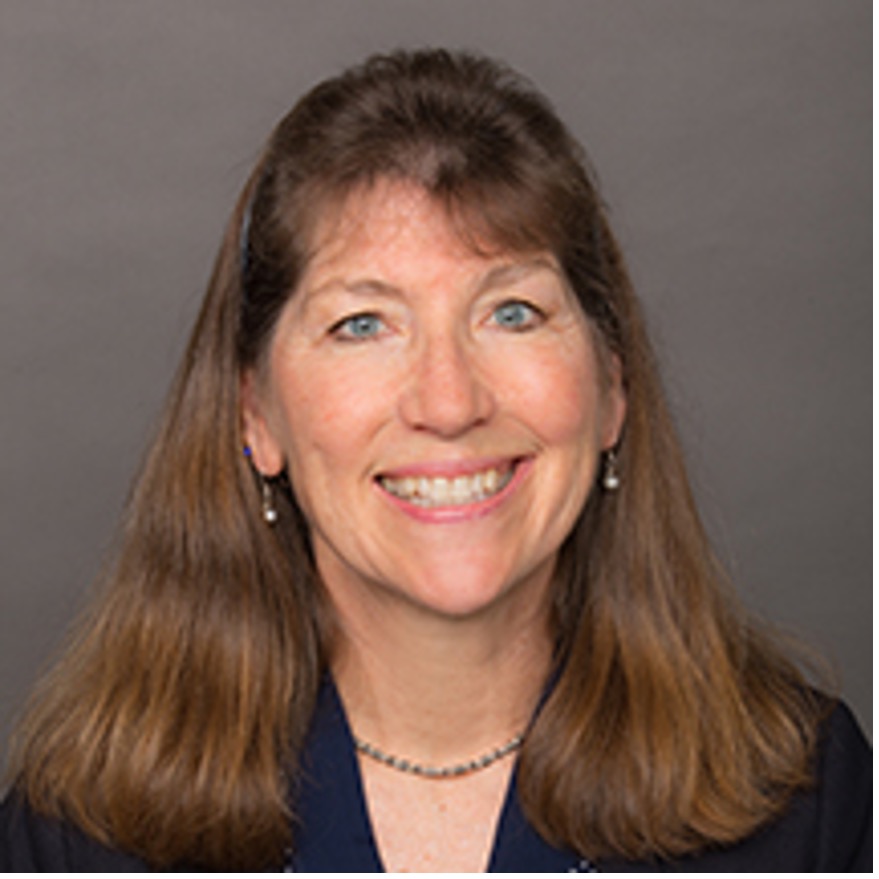 Cheryl Fattibene, DNP, MSN, MPH, FNP-BC, co-author of Successful Nurse Practitioner Role Transition, and a member of the HCCI House Call Advisor Network, has dedicated more than 35 years to advancing patient care as both a clinician and healthcare executive. Drawing on expertise in primary care, practice management, value-based care, care coordination, and healthcare policy, Cheryl has helped organizations develop innovative, patient-centered approaches that bring high-quality healthcare into the home. Her experience spans both nonprofit and for-profit healthcare organizations, clinical leadership roles, and the advancement of team-based care models, making her a recognized voice in the evolution of home-based medical care.